


TL;DR
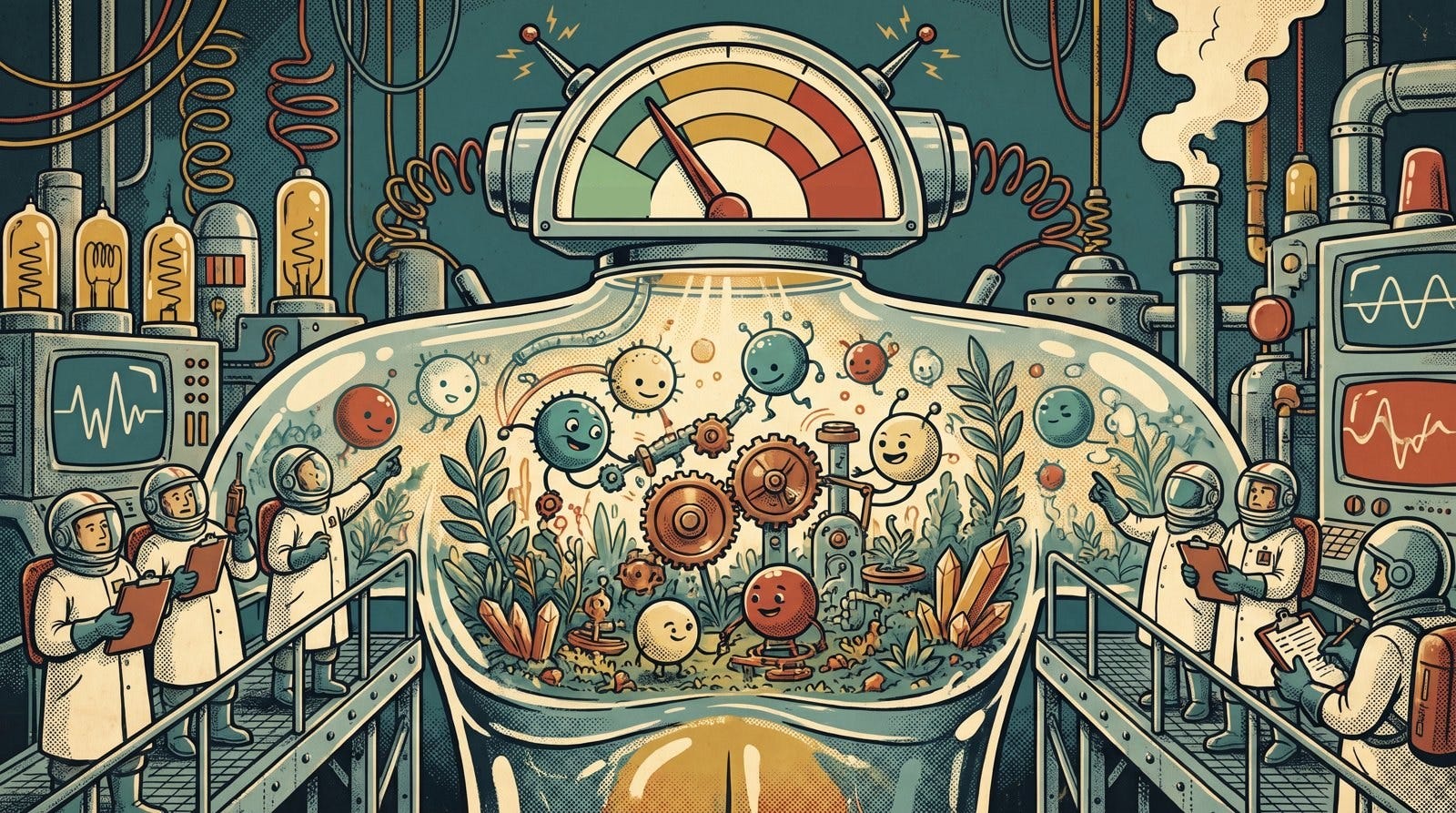
Some people age faster than others, and part of the difference may live in the gut. Researchers at the University of Hawaii compared the gut bacteria of 123 adults with a blood test that estimates how fast each person is aging, and found that differences in their bacteria went along with about 15% of the differences in that pace, roughly one-seventh. One common species turned up most often in people aging more slowly. It is an association, not proof that bacteria change how anyone ages. But if a microbe does turn out to nudge the pace of aging, the most hopeful part is how cheap the next step could be: a probiotic or a change of diet, checked against the same blood test in months instead of waiting decades to see who stays healthy longer.
Below the line, for paid subscribers: The full story: where it stands, how we got here and what's dated next; our Odds board on 4 milestones, starting with "A controlled trial shows a gut-bacteria treatment, such as a probiotic or a diet, slows an aging clock by 2032"; our labeled speculation on what it adds up to; and every source.