


TL;DR
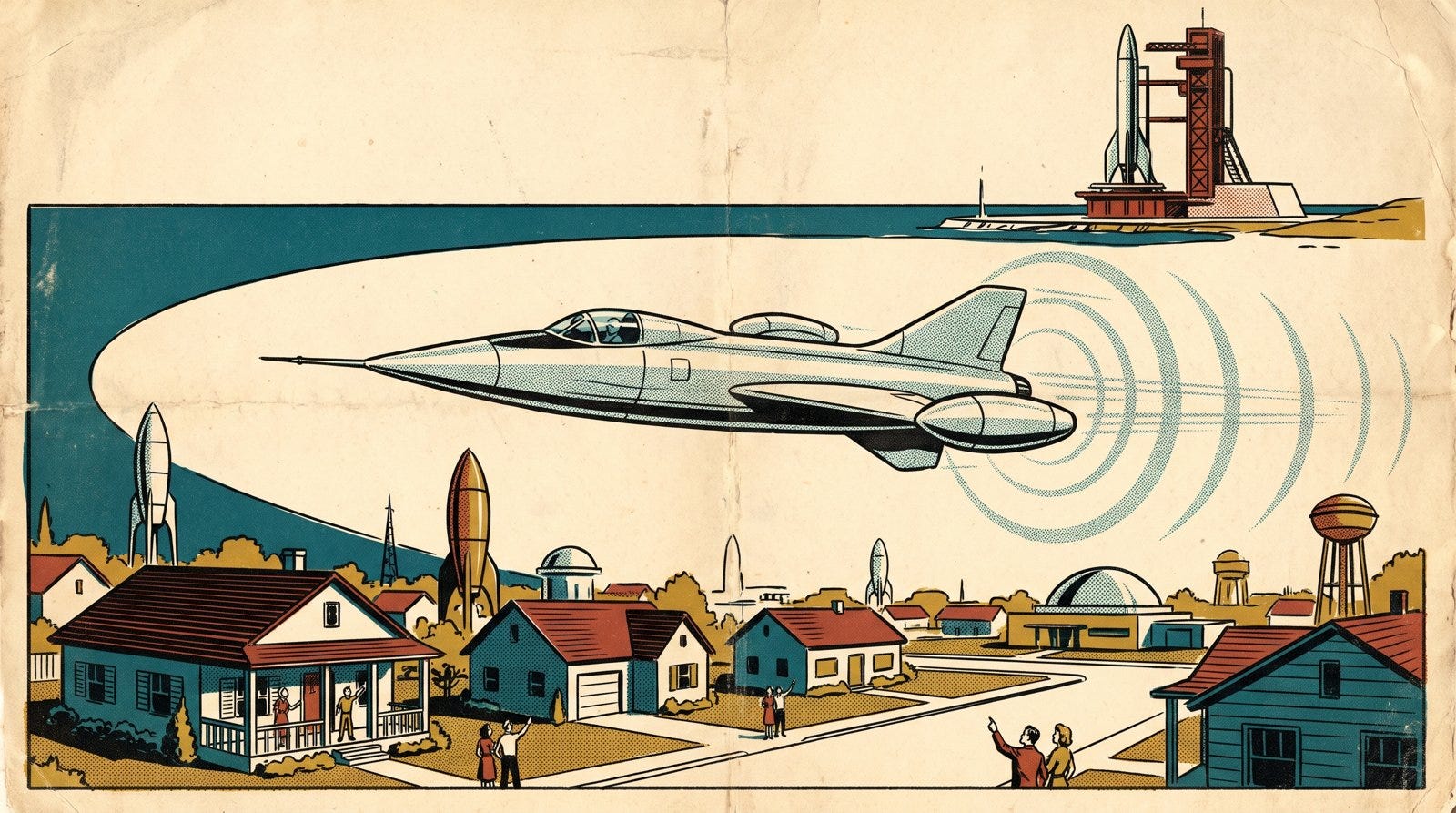
For more than 50 years, airliners have not been allowed to fly faster than sound over American land, because a sonic boom rattles windows and nerves on the ground below. NASA built the X-59 to change the sound itself: a long, needle-like nose and a carefully placed engine are meant to turn the boom into a soft thump, closer to a distant door thump. In late October the jet left the California desert and crossed the country to Kennedy Space Center in Florida, its first long trip, capping a first year of 40 test flights. The airplane works. What comes next is the part that matters to everyone who has ever sat through a long coast-to-coast flight: NASA plans to fly the jet over towns and ask the people underneath what they heard. If they shrug, regulators get the number they need to write a rule, and supersonic travel over land could move from the history books back toward the departure board. To read the odds on supersonic flights over land and a timeline of the steps that lead there, subscribe.
Below the line, for paid subscribers: The full story: where it stands, how we got here and what's dated next; our labeled speculation on what it adds up to; and every source.