

TL;DR
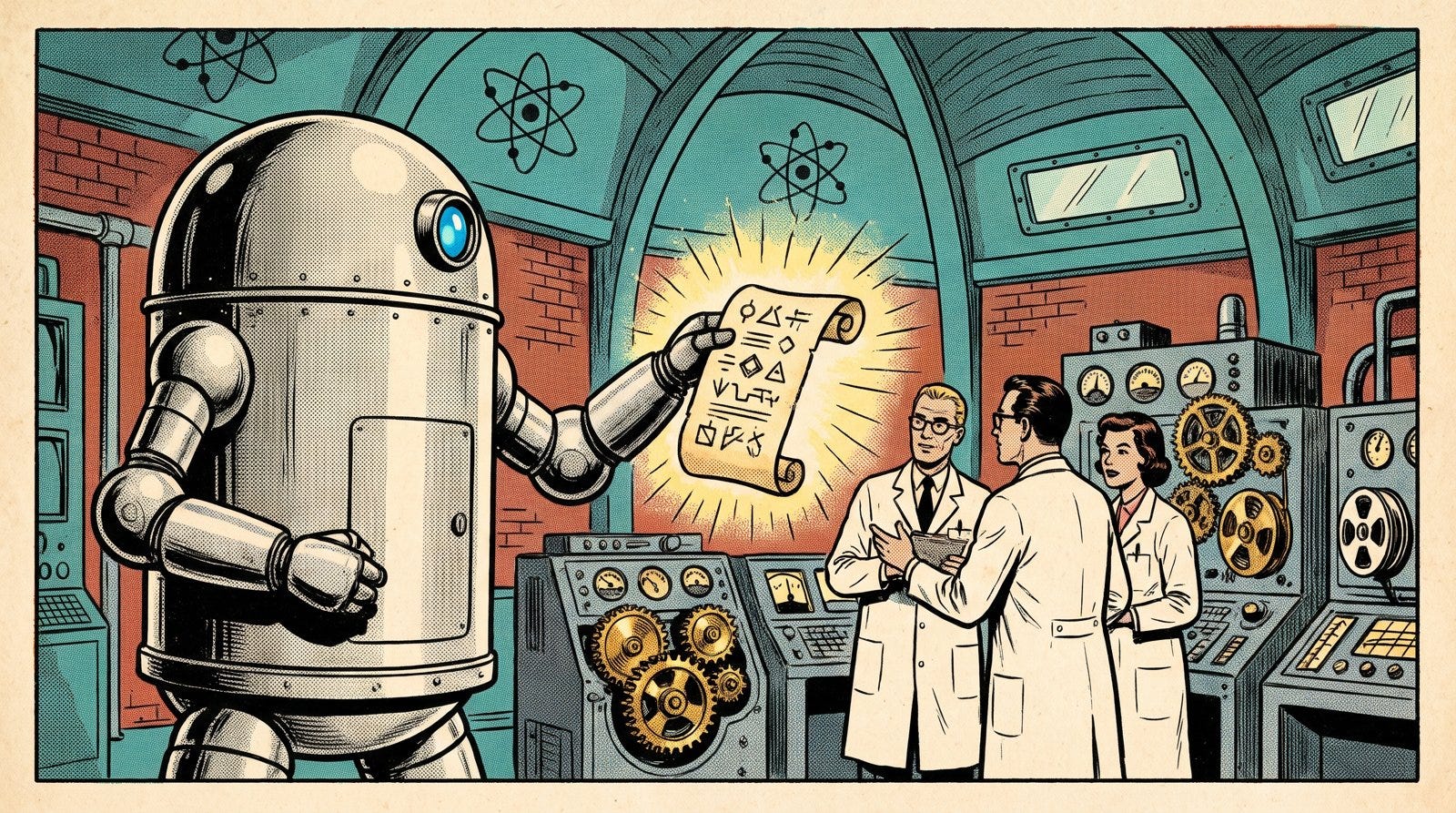
A day after OpenAI said its AI had solved problems that had stumped human experts, the people asked to check the work had not finished. MIT's Ryan Williams, whose team is reviewing the boldest computer-science claim, says the checking goes on and that he sees no short-term practical use for the result. The physicists reviewing a second claim are holding back to write their own reading of it. This slow, unglamorous stage is what decides whether AI has really started making discoveries. A proof that passes a machine checker and then survives skeptical human experts would be some of the clearest evidence yet that machines can add to human knowledge on their own, and it could change how fast science moves in every field. Until the checkers report, all three results remain company claims, and nothing has been confirmed or refuted.
Below the line, for paid subscribers: The full story: where it stands, how we got here and what's dated next; our Odds board on 4 milestones, starting with "Ryan Williams's group confirms the Exponential Time Hypothesis disproof by 2027"; our labeled speculation on what it adds up to; and every source.