


TL;DR
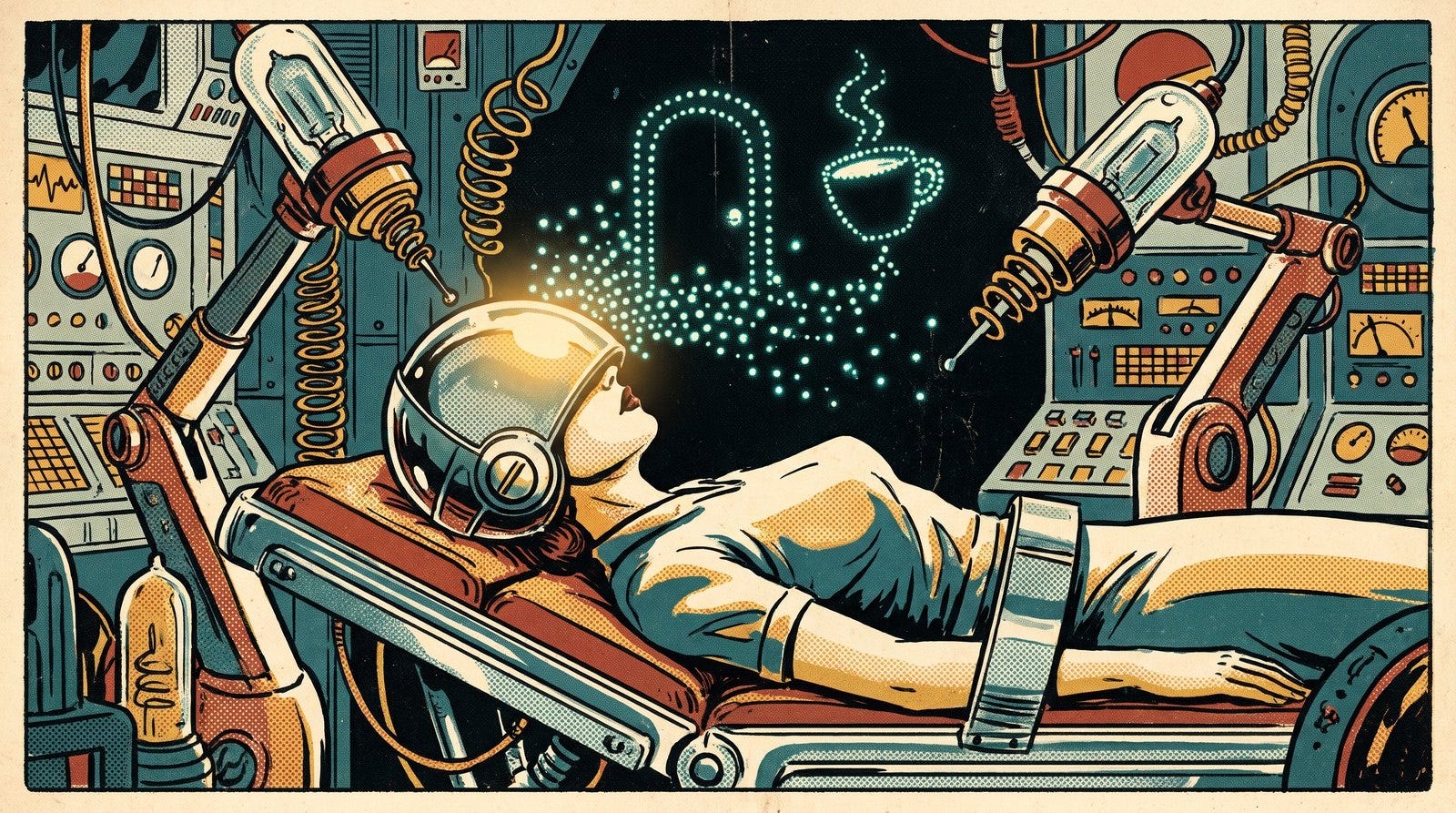
Most sight-restoring devices need a working eye or optic nerve to talk to. This one skips both. Surgeons at Rush University Medical Center in Chicago have implanted a wireless vision prosthesis built at the Illinois Institute of Technology in a third person with total blindness, placing 544 tiny electrodes in the visual cortex at the back of the brain, where the brain makes sense of what the eyes would normally send. The sight it gives is crude, which the team likens to looking at the world through the holes of a kitchen colander, and it is meant to help with everyday tasks guided by vision rather than to bring back natural sight. Even so, it is a route to some vision for people whose eyes are gone entirely, and the account so far comes from a secondary news report. For our odds on when a brain implant like this could reach blind people outside a trial, and the timeline of breakthroughs that leads there, subscribe.
Below the line, for paid subscribers: The full story: where it stands, how we got here and what's dated next; our labeled speculation on what it adds up to; and every source.