


TL;DR
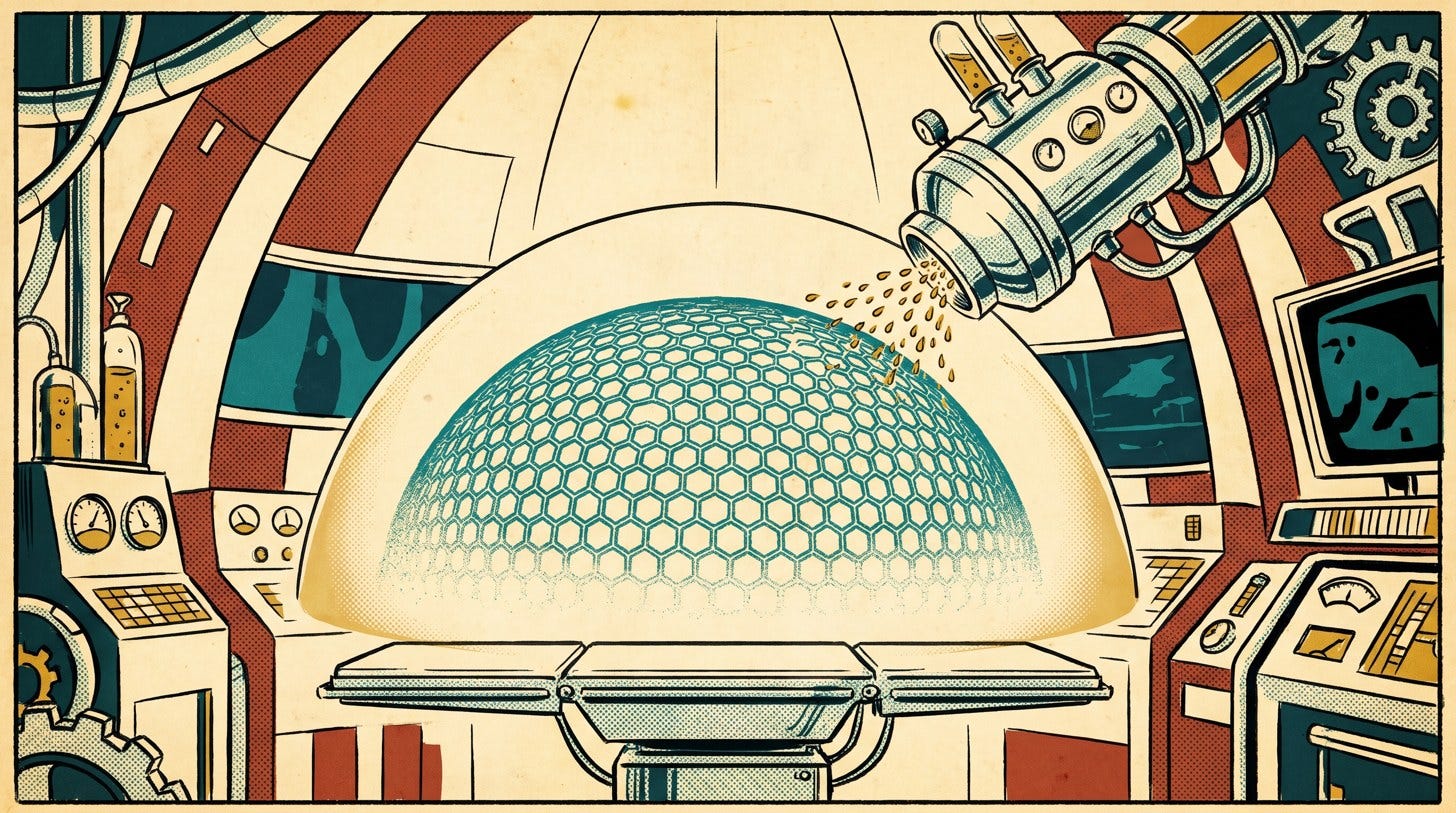
For decades, adding or restoring breast volume has meant one of two things: a permanent silicone implant or a woman's own fat, moved by liposuction, about half of which the body tends to reabsorb. A third option is now in its final round of testing. Surgeons place a 3D-printed scaffold, a porous frame made of the same kind of material as dissolving stitches, and fill it with the woman's own fat. Over the next few years the body grows its own tissue into the frame while the frame slowly dissolves, so nothing artificial is meant to stay behind. In the first 19 women, the company reports, breasts kept 83% of their added volume at two years with no scaffold-related complications. On Aug. 10, 2026, a surgeon in Sydney used it for the first time in a woman who had never had breast surgery, and Johnson & Johnson's breast implant arm has licensed it worldwide. A French company is testing a cousin of the idea where it may matter most: rebuilding the breast after mastectomy for cancer. If these hold up, women could one day have breasts restored or enlarged with tissue that is entirely their own. To see the odds on dissolving breast scaffolds reaching the market and a timeline of the steps ahead, subscribe.
Below the line, for paid subscribers: The full story: where it stands, how we got here and what's dated next; and every source.