


TL;DR
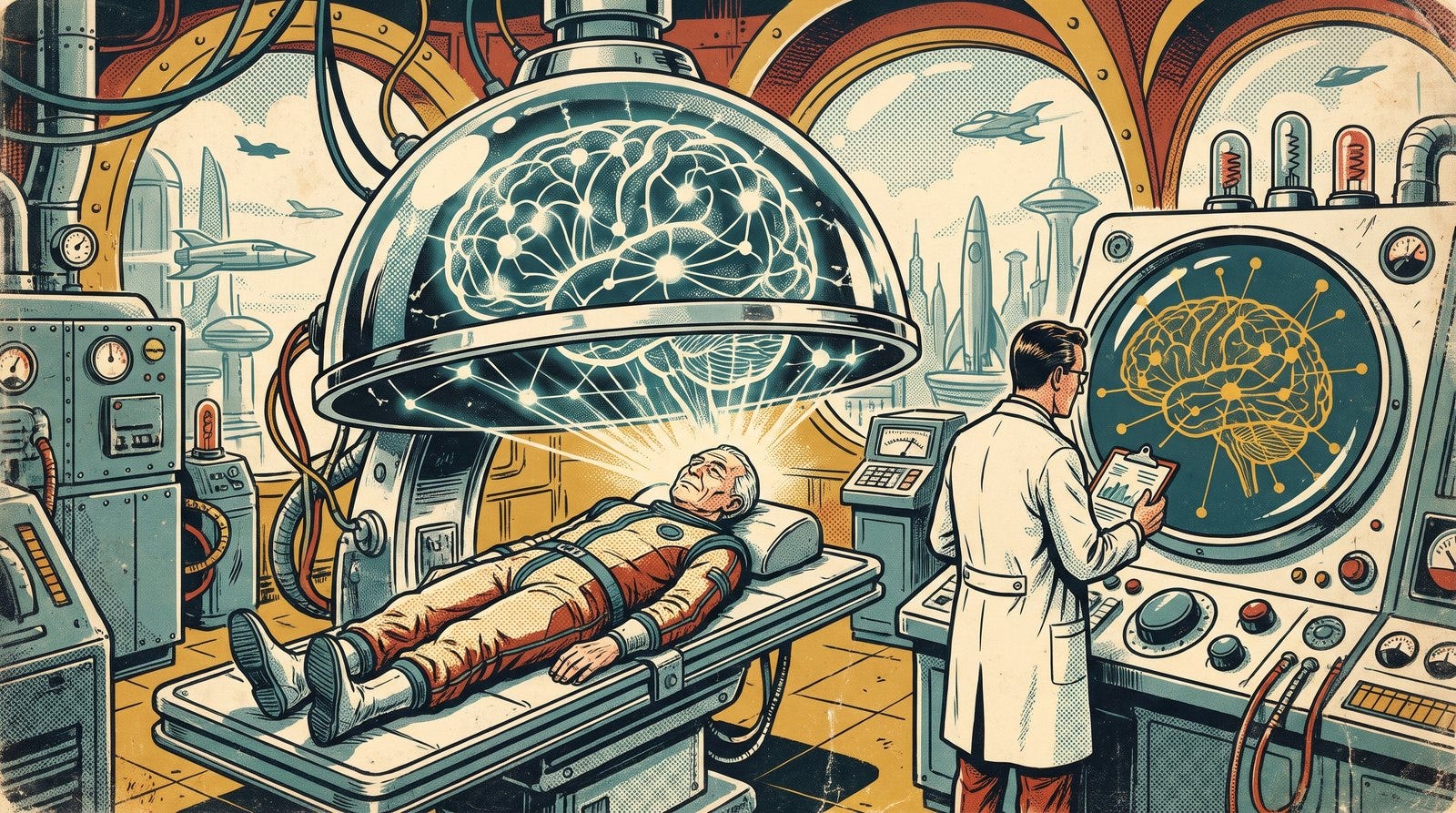
Some people 75 and older keep the memory of a typical 45-year-old. Stanford Medicine researchers used the brains of these "super agers" as a template for what healthy aging looks like, and built a single number from a brain scan that sorts people by how closely their wiring matches. In more than 1,300 adults aged 55 to 70 who were thinking normally when scanned, the people whose wiring looked more like Alzheimer's lost memory and attention faster over the following years, while those wired like super agers declined slowest. The score predicted who went on to memory trouble better than amyloid, tau or genes did in the data reported, and it picked up the risk while everyone still tested the same on thinking tests. That points toward a future where people learn years ahead which way their brain is heading, and toward faster ways to tell whether a prevention treatment is working. The team's next step is a trial to see whether brain training can move the score. For our odds on when a scan like this reaches clinics, and the timeline of breakthroughs that leads there, subscribe.
Below the line, for paid subscribers: The full story: where it stands, how we got here and what's dated next; our labeled speculation on what it adds up to; and every source.